Navigating the Search for Diesel Suppliers Near You
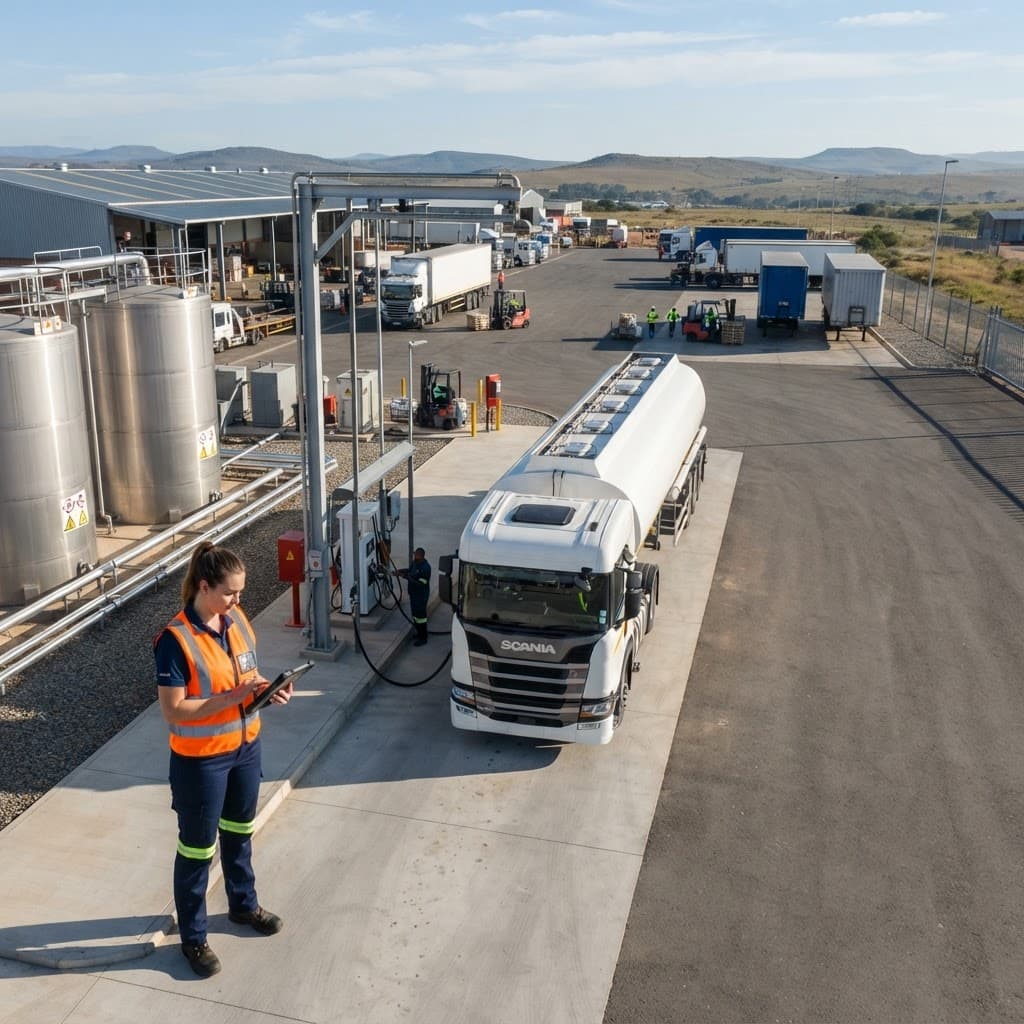
For South African businesses in sectors like mining, logistics, and agriculture, fuel procurement is a critical component of operational continuity. While the search for diesel suppliers near you often begins with location, professional procurement teams understand that physical proximity is only the starting point. Reliability is determined by a supplier’s logistics infrastructure, delivery fleet capacity, and ability to maintain consistent supply during market volatility.
Balancing geographic convenience with technical reliability requires a structured approach. A supplier located 50 kilometers away with a dedicated, well-maintained fleet and a robust storage strategy is often a superior partner to a closer provider that lacks the technical capability to handle your volume requirements reliably.
Essential Buying Requirements for South African Businesses
Understanding the technical specifications of the fuel you procure is essential for equipment longevity. Procurement teams must clearly distinguish between 10ppm, 50ppm, and 500ppm diesel, as using the incorrect grade can lead to costly engine damage or premature filter failure. Read our guide on choosing the right diesel to ensure your fleet and generators remain in peak condition.
Furthermore, quality assurance is non-negotiable. Ensure that any potential supplier adheres to SANS 342 standards. This South African National Standard sets the quality requirements for automotive diesel, and verifying that your supplier performs regular testing via an accredited laboratory is a crucial risk-mitigation step. Before signing any contract, verify that the supplier holds the necessary wholesale petroleum licenses as regulated by the Department of Mineral Resources and Energy.
Selection Criteria: Beyond the Price Per Litre
While the price per litre is a significant factor in project budgeting, it should not be the sole decision-maker. Low-cost fuel often comes at the expense of delivery reliability. When evaluating potential partners, assess their delivery turnaround times and fleet capability. Does the supplier have a contingency plan for stock shortages? In a volatile market, a supplier’s ability to secure inventory during periods of high demand is what keeps your business running.
Using a supplier verification process allows procurement teams to compare credentials systematically. Platforms like the Petroleum Directory provide a framework for reviewing supplier history and compliance, ensuring you are dealing with entities that have documented business and operational credentials.
Questions to Ask Potential Diesel Suppliers
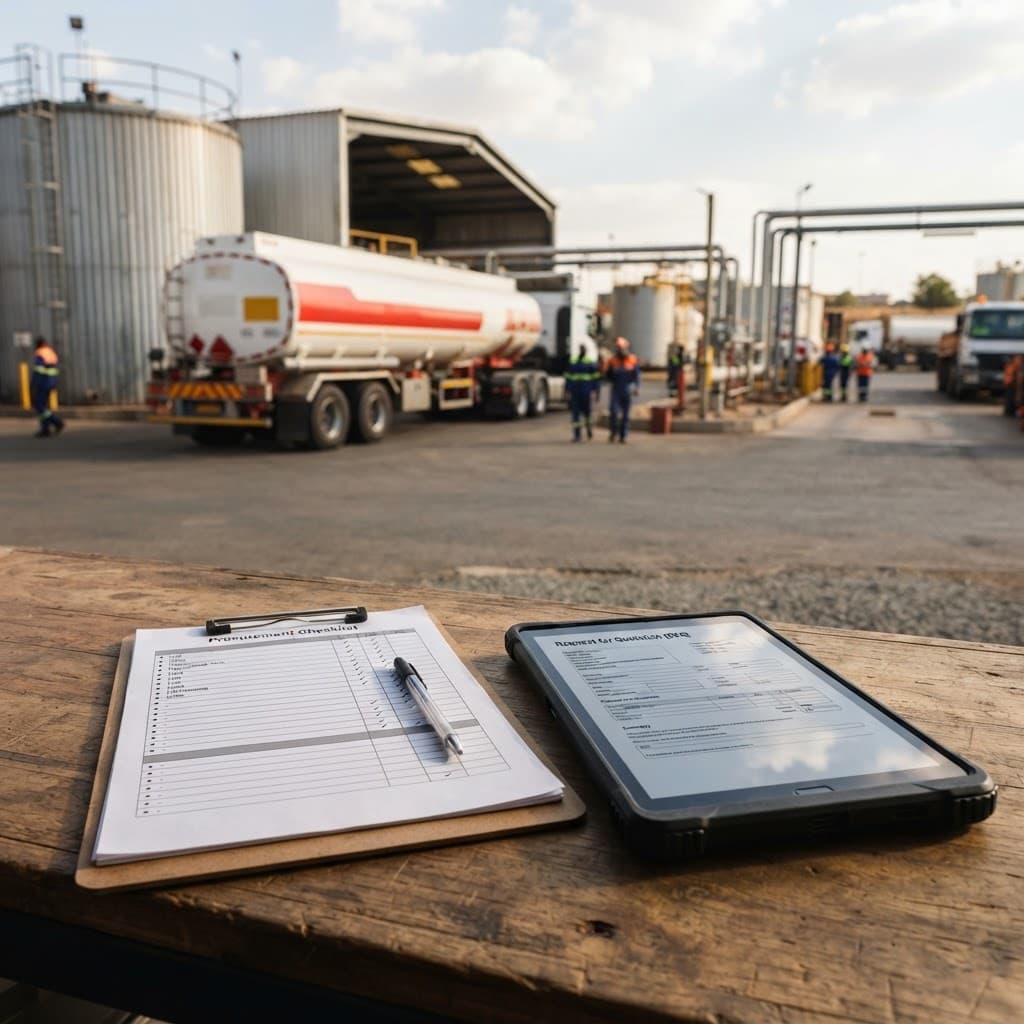
To avoid operational bottlenecks, your Request for Quote (RFQ) process should include specific inquiries that clarify the supplier’s commitment to your business:
- Logistics and Safety: How do you manage fuel storage, and what are your transport safety protocols?
- Service Scope: What are your lead times for bulk delivery, and what are the limitations on delivery to remote or difficult-access sites?
- Financial Terms: What are the standard payment terms, and are there specific volume requirements for consistent pricing?
- Regional Track Record: Can you provide evidence of your distribution performance in provinces like Gauteng, KwaZulu-Natal, or the Western Cape?
For more detailed insights on managing these relationships, review our tips for smart bulk diesel procurement.
Operational Risks to Avoid in Fuel Procurement
Procurement teams must be vigilant for red flags that indicate an unreliable supply partner. These include inconsistent communication, a lack of transparency regarding fuel sourcing, and reluctance to provide up-to-date compliance documentation. Prioritizing the absolute lowest price over a consistent, vetted supply chain can lead to contaminated fuel, late deliveries, or total supply failure, all of which are significantly more expensive than paying a market-related price for reliable service.
Decision Checklist for Procurement Teams
Before issuing an RFQ or entering a long-term supply agreement, ensure you have completed the following steps:
- Verification: Confirm the supplier has valid wholesale licenses and current SANS 342 certification.
- Documentation: Request current BBBEE certificates, company registration (CIPC), and tax clearance certificates.
- Capacity Assessment: Confirm that their delivery fleet is sized correctly for your consumption volumes and site accessibility.
- Performance History: Inquire about their track record regarding emergency delivery requests and stock availability.
By maintaining a disciplined, fact-based approach to procurement, your team can effectively manage the risks associated with bulk fuel sourcing. Stay informed on market trends by tracking the latest changes in fuel pricing to inform your long-term strategy. To streamline your search, browse our platform to find verified petroleum suppliers across South Africa today.