For businesses operating across the Eastern Cape, from the industrial hubs of Gqeberha and East London to the more remote agricultural districts surrounding Mthatha, diesel is the lifeblood of production and logistics. Whether you are managing a transport fleet, operating construction machinery, or maintaining backup power for an industrial facility, fuel procurement directly impacts your operational continuity and bottom line.
Fuel Procurement Challenges in the Eastern Cape
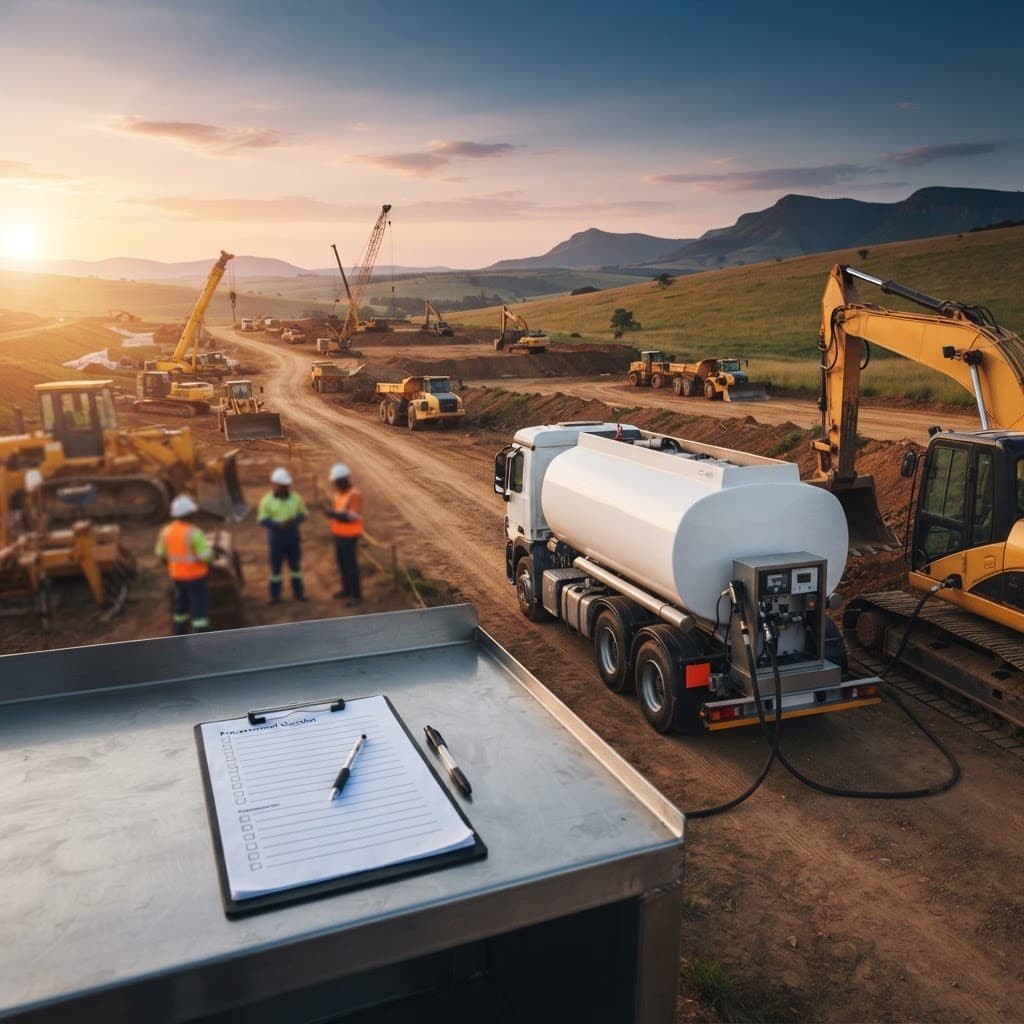
The Eastern Cape presents unique logistical challenges for bulk fuel buyers. Geography plays a significant role in delivery timelines, particularly for businesses situated inland or in rural areas where road conditions and distance from primary fuel depots can extend lead times. Consistency is often tested by these geographical realities, making it essential to balance local supplier accessibility with the ability to maintain reliable volume.
Energy-intensive operations in remote locations often face the highest risks. Dependence on a single supply source can lead to significant downtime during periods of fuel scarcity or logistical delays. Managing these risks requires a strategic approach that prioritizes local knowledge and proven supply chain stability.
Essential Selection Criteria for Regional Suppliers
When evaluating potential diesel suppliers, procurement managers should look beyond the per-litre price. Supply chain stability is paramount; you need a partner capable of maintaining consistent volume, even during national or regional supply volatility. Understanding what to look for when buying bulk diesel is the first step in ensuring your business remains protected.
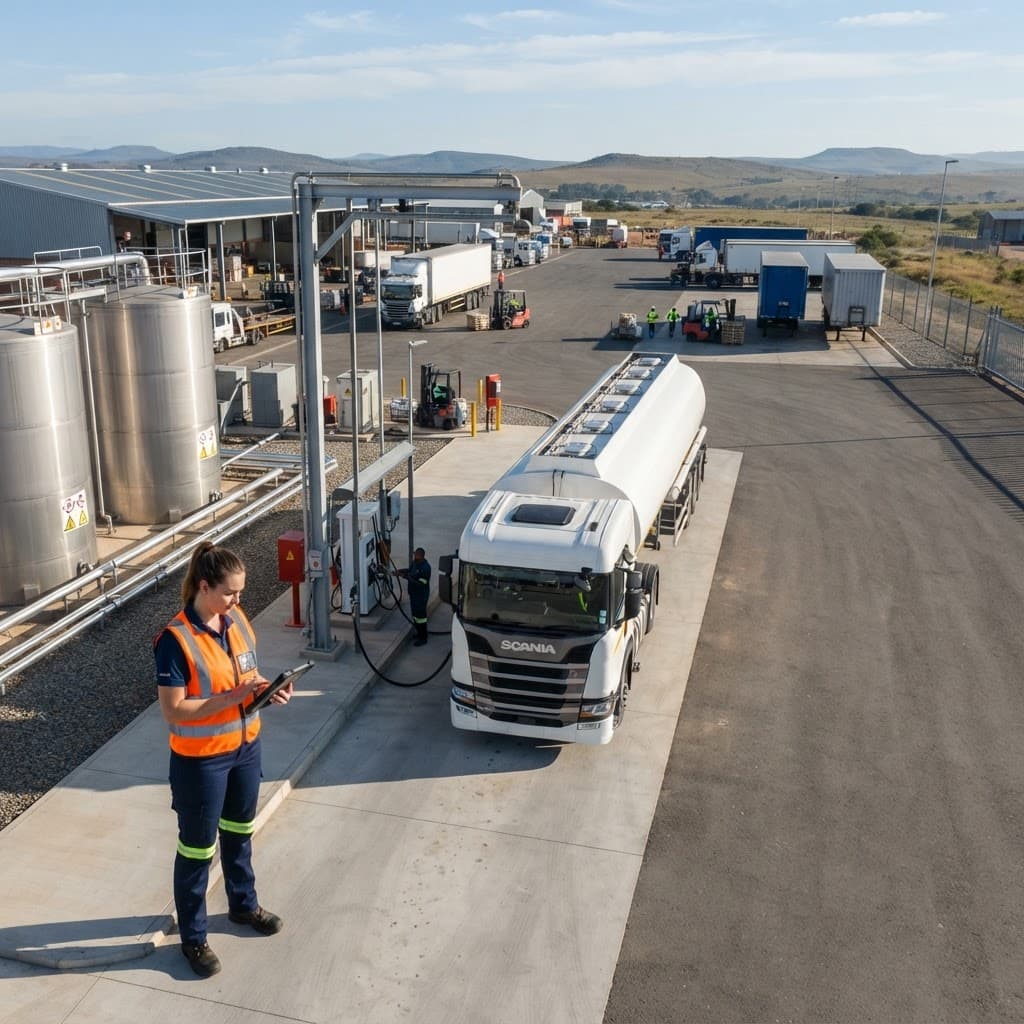
Geographic proximity remains a critical factor for delivery efficiency. A supplier with a local fleet and depot footprint is generally better equipped to navigate regional challenges than a distant operator. Furthermore, quality assurance is non-negotiable. Ensure that suppliers adhere to SANS 342 standards to protect your machinery from contamination or performance issues caused by subpar fuel.
Critical Questions for Potential Diesel Suppliers
Before entering into a contract, conduct thorough due diligence. Ask potential suppliers about their average lead times and, crucially, their contingency plans for supply disruptions. Understanding their capacity to pivot during shortages can save your operations from unexpected halts.
Confirm the availability of the specific fuel grades required by your equipment. Whether your fleet necessitates 10ppm for modern engines or 50ppm for standard heavy machinery, you must verify that your supplier can provide consistent stock. For more information on selecting the correct fuel, consult this South African guide on choosing the right diesel.
Finally, discuss payment terms and credit facilities clearly. For B2B contracts, these terms form the basis of your long-term business relationship and should be clearly documented in your service level agreement.
Risk Mitigation and Strategic Buying
The most effective procurement strategy involves avoiding common pitfalls such as unverified quality or unreliable delivery scheduling. One of the most robust ways to mitigate operational risk is to maintain multiple supply channels. Relying on a single supplier—even a reliable one—can leave you vulnerable if their depot runs dry or a delivery vehicle breaks down.
Utilizing a centralized supplier verification process can help you compare potential partners based on objective documentation rather than sales promises. This allows procurement teams to make data-driven decisions that balance cost, reliability, and technical compliance.
Streamlining Your Search with Petroleum Directory
Finding vetted petroleum suppliers in a large province like the Eastern Cape can be complex. The Petroleum Directory platform simplifies this process by connecting businesses with suppliers that have undergone a document verification process.
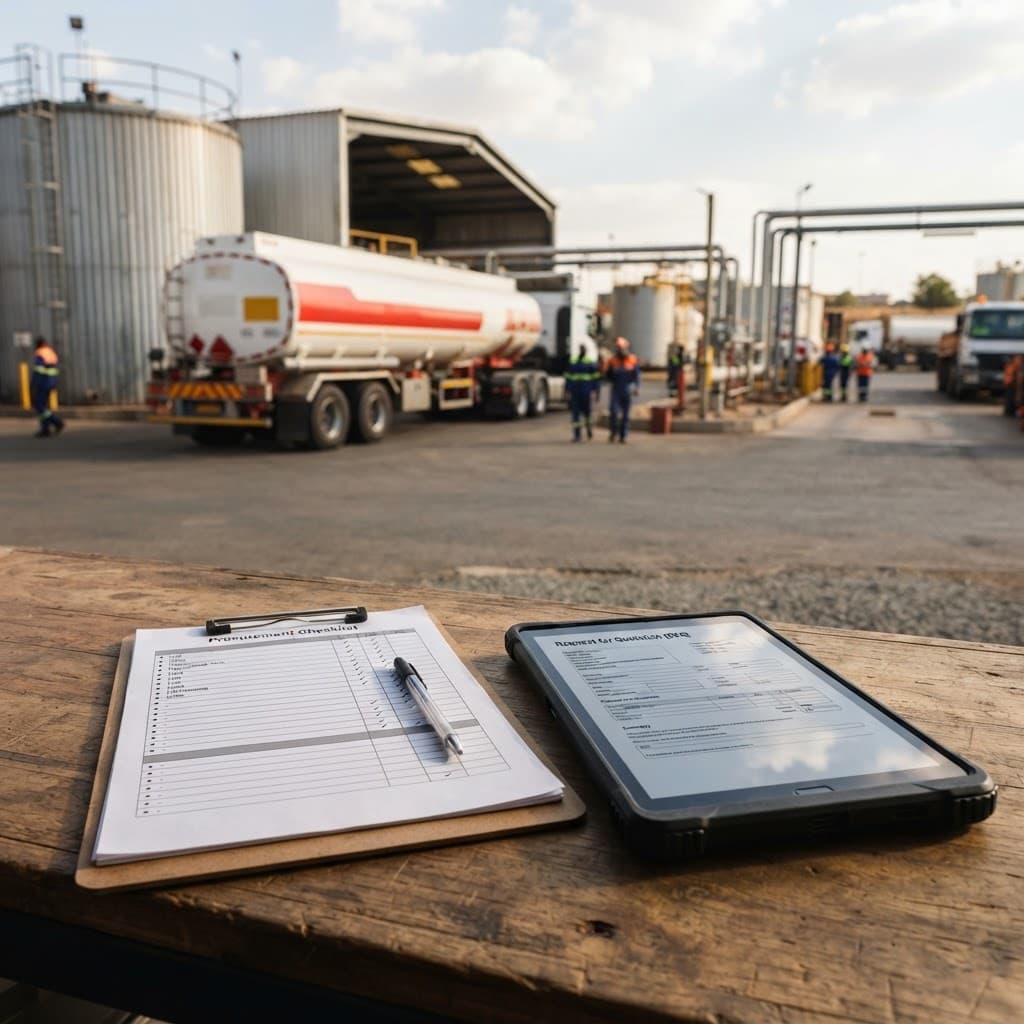
By using the platform, procurement managers can request quotes (RFQs) from multiple verified suppliers, allowing for a transparent comparison of offers. This digital marketplace is designed to bridge the gap between high-volume buyers—such as those in mining, logistics, and agriculture—and qualified petroleum distributors. To get started or to learn more about how the network functions, visit the frequently asked questions page. When you are ready to secure your fuel supply, we invite you to browse our directory to find verified suppliers that meet your operational needs.