The Critical Role of Reliable Diesel Supply in Construction
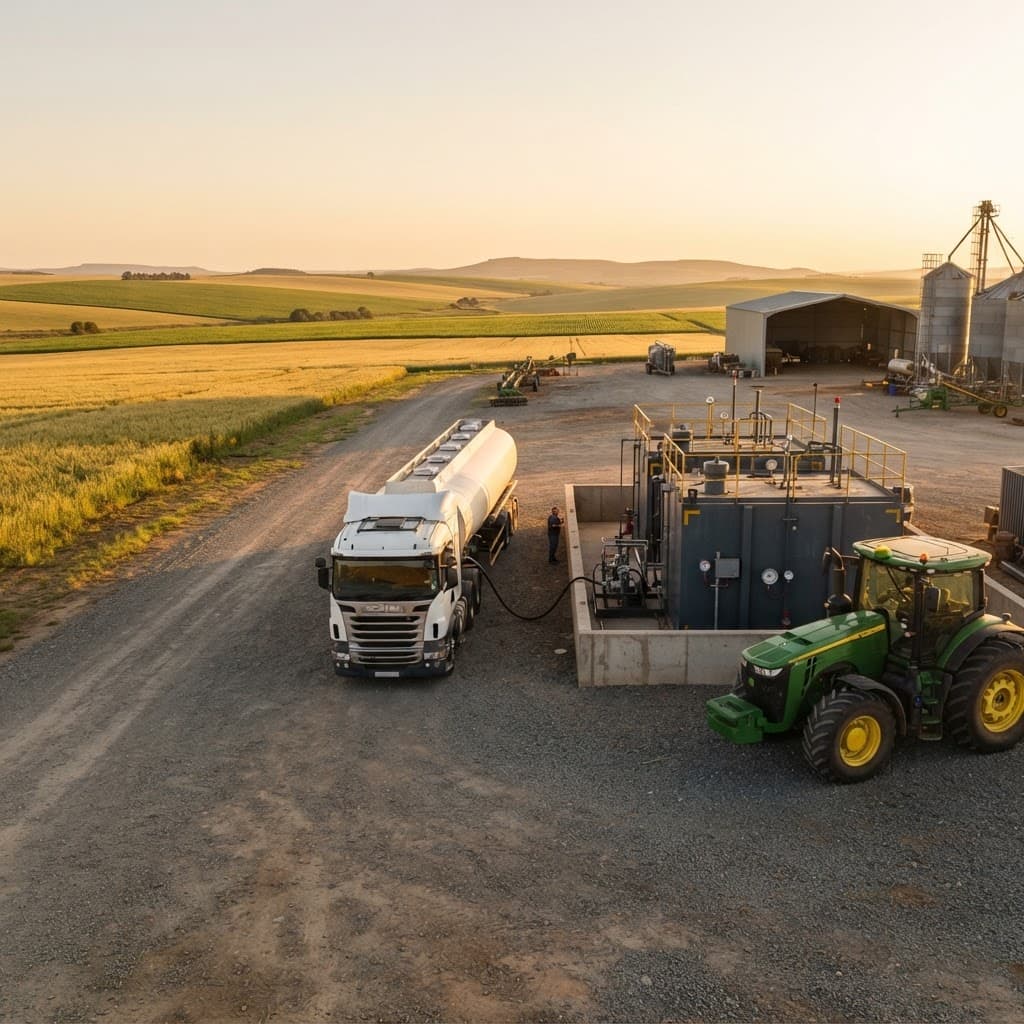
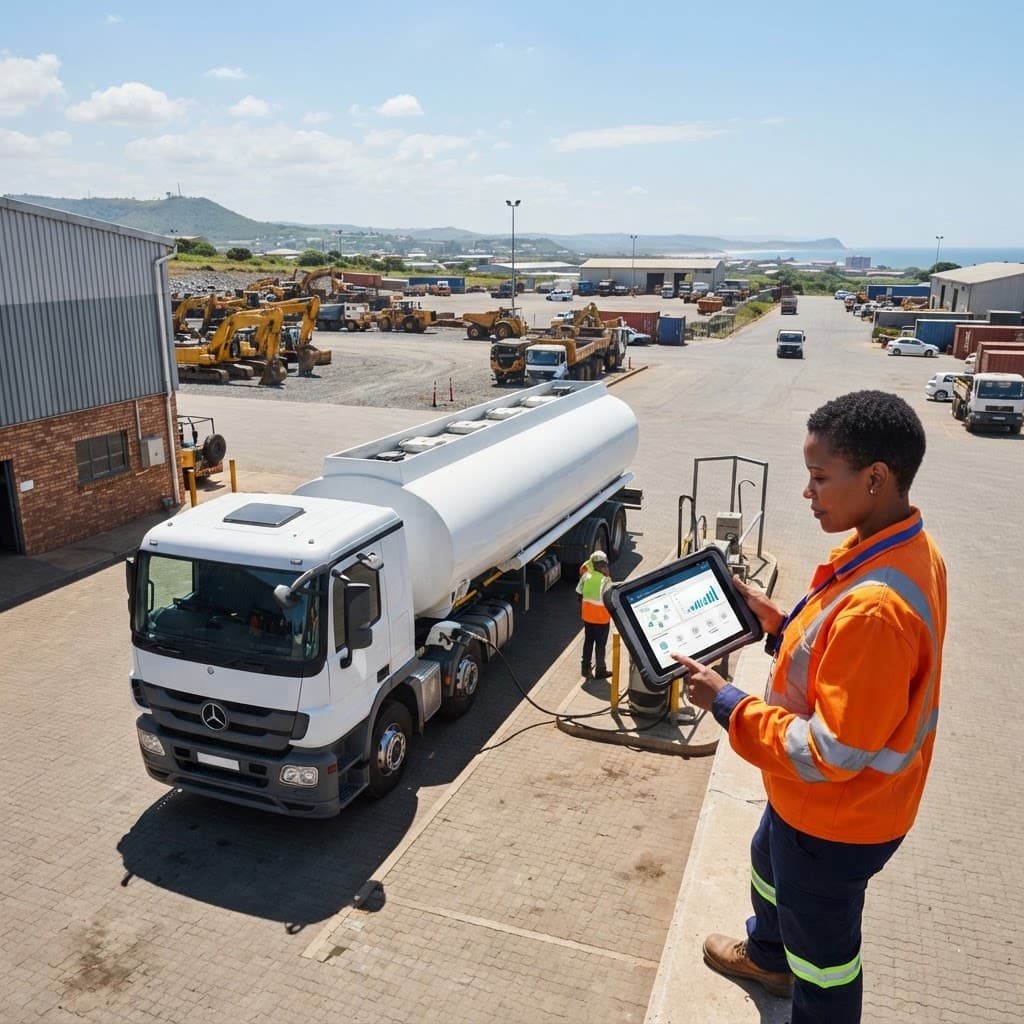
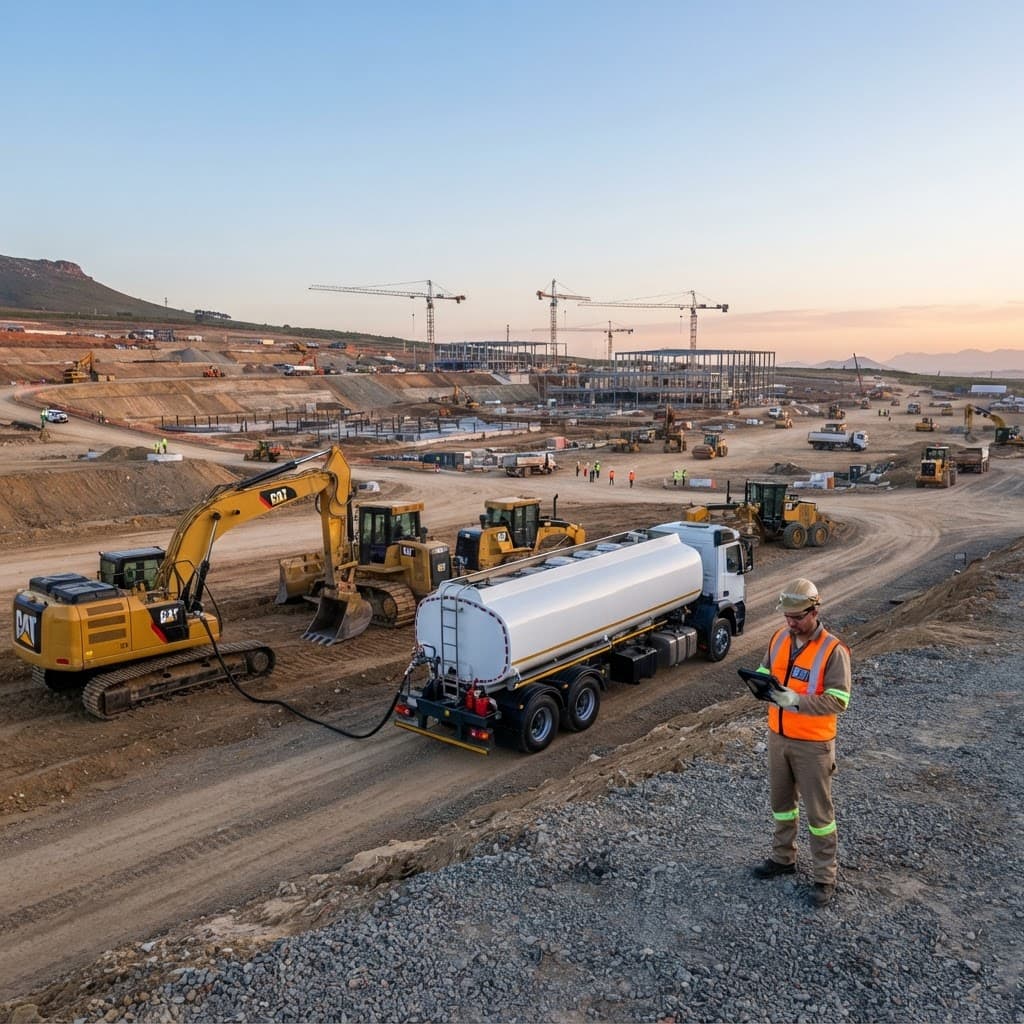
For construction firms, diesel is more than a consumable; it is a primary operational lifeline. Whether powering heavy yellow metal machinery or providing critical energy for site generators, fuel supply disruptions can bring progress to a complete standstill. In the South African context, where price volatility and logistical challenges are commonplace, a reactive approach to fuel buying often leads to inflated costs and project delays.
Successful procurement teams understand that fuel management is a strategic activity. Deciding between on-site storage versus just-in-time delivery requires balancing the risks of capital tie-up in fuel against the vulnerability of relying on daily deliveries. When planning your fuel strategy, consider how fluctuating monthly prices impact your margins and ensure your supply chain is resilient enough to handle unexpected market shifts. To understand these dynamics in more detail, you can review essential checklists for bulk diesel purchasing.
Key Selection Criteria for Construction Diesel Suppliers
Not all fuel wholesalers are equipped to handle the unique demands of a construction site. When vetting potential partners, consider the following:
- Delivery Infrastructure: Does the supplier operate tankers capable of navigating your specific site conditions? Construction sites often present difficult terrain that requires specialized equipment compared to standard retail filling stations.
- Geographic Footprint: Proximity matters. A supplier with depots near your project location can significantly reduce lead times and delivery costs.
- Compliance and Licensing: Always verify that the supplier holds valid petroleum trading licenses issued by the Department of Mineral Resources and Energy (DMRE). Operating with unlicensed providers introduces massive regulatory and quality risks to your project.
For a deeper dive into how platforms can assist with due diligence, learn more about the supplier verification tiers designed to help buyers connect with legitimate industry players.
Essential Questions for Potential Fuel Partners
Before entering into a supply agreement, procurement teams should conduct a rigorous inquiry process. Don’t be afraid to ask:
- What are your emergency protocols? Ask for confirmed lead times for urgent deliveries to avoid downtime.
- How is fuel quality maintained? Inquire about their adherence to SANS 342 standards. Reliable suppliers should be able to provide documentation or describe their testing procedures to prevent contaminated fuel from damaging your engines.
- What are the credit and invoicing terms? Transparency in pricing is vital. Ensure you understand their invoicing cycle and whether they offer credit facilities that align with your project cash flow.
It is also essential to know which product grades your equipment requires, as choosing the wrong specification can lead to expensive maintenance issues. Consult this buyer’s guide to diesel types to ensure you are requesting the correct product.
Operational Risks to Manage
Managing fuel on-site involves significant risk, from mechanical failure due to contaminated diesel to the security challenge of fuel theft. Contaminated fuel is often the result of improper storage or handling; ensure your on-site tanks are clean, properly sealed, and monitored. Furthermore, relying on unverified, ‘fly-by-night’ suppliers who lack robust logistics networks often leads to inconsistent supply, which can compromise the entire project timeline. Always lean on established networks to mitigate these risks.
Decision Checklist for Procurement Teams
To streamline your procurement, follow this structured approach:
- Document Requirements: Start by estimating your total fuel consumption. Having accurate data makes you a more attractive customer to reputable wholesalers.
- Standardized RFQ Process: Request quotes in a standardized format so you can compare apples-to-apples, including delivery costs and fuel grade prices.
- Verify Credentials: Cross-check the supplier’s licensing and service history.
- Centralize Your Search: Using a dedicated platform can help you find verified suppliers in your region efficiently. If you are new to the process, check out our frequently asked questions to get started.
By prioritizing transparency, compliance, and logistical capability, you can secure a stable supply of diesel that keeps your construction project moving forward, regardless of market volatility. Ready to find a partner? Find Verified Suppliers through the Petroleum Directory today.